
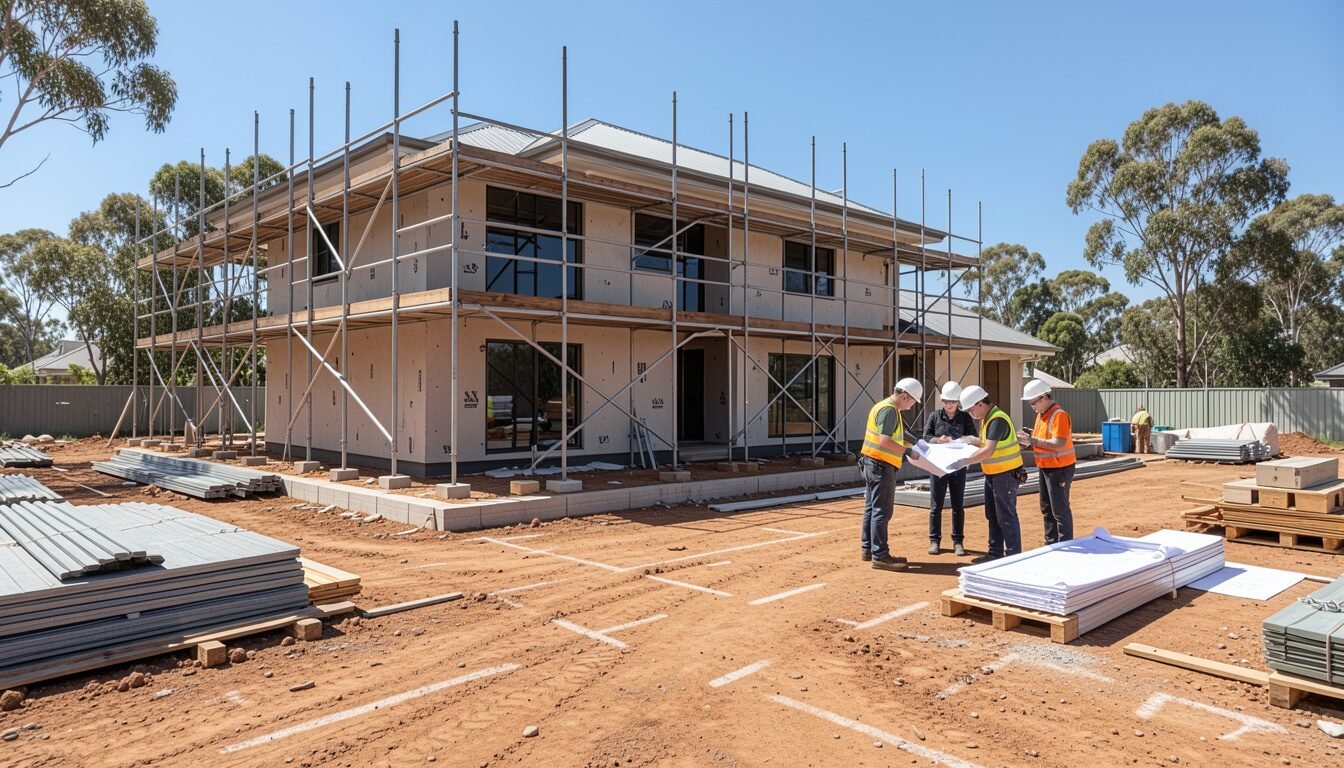
Building a new home in NSW is one of the most significant financial decisions you will ever make. It is also one of the most complex. Between navigating council approvals, managing contractors, dealing with site conditions, and keeping your budget under control, there are dozens of points where things can go wrong. At Home Choice Australia, we have worked with homeowners across New South Wales who came to us after experiencing costly construction problems — problems that were entirely avoidable with the right guidance from the start.
This guide walks you through the most common home construction mistakes in NSW and, more importantly, how to avoid every single one of them.
Why Avoiding Construction Mistakes Matters in NSW
Building a house in Sydney or anywhere across NSW is different from building in other parts of Australia. The state has strict building regulations, specific zoning laws, BASIX energy requirements, and local council approval processes that add layers of complexity to any residential project.
When mistakes happen, the consequences are serious. Budget blowouts can push a project tens of thousands of dollars over forecast. Building code violations can halt construction entirely and trigger expensive rectification work. Poor workmanship leads to structural defects that affect your home’s safety and resale value for years. In NSW, compliance is not optional — it is a legal requirement at every stage of construction.
The good news is that every mistake on this list is preventable.
Poor Planning and Lack of Clear Project Scope
This is the single most common mistake first-time builders make. Starting construction without a finalised design is like driving to an unfamiliar destination without a map — you will make wrong turns, backtrack, and arrive late.
Poor project planning leads to scope creep, where small changes during construction compound into major cost variations and delays. Homeowners who do not plan their layout, utility placement, or lifestyle needs upfront often find themselves paying premium rates for mid-build changes.
How to avoid it: Engage your architect and builder together before a single permit is lodged. Finalise your floor plans completely before construction begins. Confirm where every power point, light fitting, and tap goes on paper before they go in the wall.
Underestimating Budget and Hidden Construction Costs
Underestimating material costs is one of the fastest ways to derail a build. Many NSW homeowners focus on the headline construction quote and overlook everything surrounding it.
Hidden construction costs include council fees, utility connections, soil testing, site preparation, landscaping, and temporary accommodation. Without a contingency budget of at least 10 to 15 percent of your total build cost, a single unexpected site issue can put your entire project under financial pressure.
Key costs NSW homeowners commonly miss:
- Council application and compliance fees
- Sewer, electricity, and NBN connection charges
- Soil testing and site preparation on difficult blocks
- Landscaping, driveways, and fencing post-construction
- Cost of living elsewhere during the build
Realistic budget estimation from day one protects you from the stress of cost overruns later.
Ignoring Site Conditions and Soil Testing
Soil testing problems are responsible for some of the most expensive surprises in residential construction. Building on reactive, unstable, or poorly draining soil without proper analysis leads to foundation problems and structural defects that are extraordinarily costly to fix after the fact.
NSW has highly varied soil conditions. Coastal areas often have sandy or loose soils that require engineered slab foundations. Inland clay soils expand and contract with moisture changes, affecting footings. Sloped blocks create drainage challenges and may require retaining walls.
Beyond soil, you need to understand whether your land sits in a bushfire attack level zone or flood-prone area. Both impose additional NSW building code requirements that affect your design, materials, and cost.
NSW-specific consideration: Always complete a geotechnical soil report before finalising your structural design. It typically costs $1,500 to $3,000 and can save you $30,000 or more in unexpected site costs.
Choosing the Wrong Builder
Selecting a builder based on price alone is one of the biggest home building mistakes first-time builders make. The cheapest quote rarely reflects the true cost of the project once variations, delays, and poor workmanship are factored in.
Hiring unlicensed builders in NSW exposes you to serious legal and financial risk. If defects occur, you have limited legal recourse. Licensed builders are required by NSW Fair Trading to hold appropriate insurance and meet minimum standards of workmanship.
How to choose the right builder:
- Verify their NSW builder’s licence through the NSW Fair Trading online register
- Ask for references and inspect completed projects in person
- Check reviews on independent platforms, not just their own website
- Confirm they carry home warranty insurance for projects over $20,000
Contractor communication issues are also a major cause of construction delays and project mismanagement. Choose a builder who communicates clearly and regularly from the very first meeting.
Not Understanding Contracts and Legal Terms
Many homeowners sign a building contract without fully understanding what they are agreeing to. Unfair payment schedules, vague scope definitions, and unclear variation clauses are common sources of builder disputes in NSW.
NSW contract mistakes to avoid:
- Not reading the full contract before signing
- Accepting verbal agreements instead of written variations
- Skipping independent legal advice on contracts over $50,000
- Failing to understand what is and is not included in the fixed price
A construction lawyer or building consultant can review your contract for a relatively small fee. This investment protects you against disputes that can cost far more to resolve.
Overlooking Energy Efficiency and Sustainability
Every new home built in NSW must comply with BASIX requirements — the state’s Building Sustainability Index. Ignoring energy efficiency in your design does not just create compliance problems; it creates a home that costs more to run every single day.
Poor insulation, incorrect house orientation, and inadequate ventilation planning are common construction errors that homeowners only notice once they are living in the home and paying power bills.
Smart solutions to build in from the start:
- Orient living areas to the north for passive solar heating in winter
- Install roof and wall insulation above the minimum standard
- Design your home to be solar-ready even if panels are not in your initial budget
- Use cross ventilation to reduce reliance on air conditioning
These choices cost very little extra at construction stage and deliver significant long-term savings.
Poor Material Selection
Choosing cheap materials to reduce upfront cost is a false economy. Low-quality materials degrade faster, require earlier replacement, and can create serious durability and safety issues in NSW’s varied climate conditions.
Coastal NSW homes face salt air and moisture that accelerates corrosion on unsuitable metal fittings. Western Sydney’s extreme summer heat demands insulation and roofing materials rated for high temperatures. The right materials for your specific location matter enormously.
Over-Customising or Poor Layout Design
Interior design mistakes and overdesign are more common than you would think. Homeowners sometimes get caught up in aesthetics and create layouts that look impressive in a render but feel impractical to live in daily.
Think about how you actually move through your home. Consider storage, natural light in key rooms, traffic flow between kitchen and dining areas, and whether the layout supports your family’s needs five to ten years from now. Overdesigned custom features also reduce your home’s appeal to future buyers, affecting resale value.
Lack of Regular Monitoring and Communication
Assuming your builder will handle everything without regular oversight is a mistake. Construction sites move fast, and small errors compound quickly if they are not caught early. Poor communication between the homeowner and builder is one of the leading causes of construction delays in Australia.
Best practices for staying across your build:
- Schedule formal site visits at every major construction milestone
- Keep written records of every conversation, decision, and variation
- Use a building inspector for independent progress checks
- Raise concerns immediately — do not wait until practical completion
Ignoring Local Regulations and Permits in NSW
Council approval delays and compliance certificate issues are among the most frustrating and expensive problems a homeowner can face. Non-compliance with Australian building regulations can result in stop-work orders, fines, and mandatory demolition of non-compliant work.
Key NSW requirements to understand before you start:
- Whether your project needs a Development Application (DA) or Complying Development Certificate (CDC)
- BASIX compliance requirements for energy and water efficiency
- Inspection stages required by your certifier throughout construction
- Any heritage, bushfire, or flood overlay requirements on your block
Ignoring these NSW construction compliance requirements does not make them go away. It just makes them more expensive to deal with later.
Unrealistic Timelines and Expectations
Construction delays are common across NSW due to weather-related delays, supply chain issues, and labour shortages — particularly for trades like electricians and plumbers in high-demand areas. Homeowners who build rigid timelines with no buffer frequently face financial and emotional stress when reality does not match their expectations.
Build at least two to three months of contingency into your project timeline. Plan temporary accommodation with flexibility built in.
Not Planning for Future Needs
A home that suits you perfectly today may not suit you in ten years. Failing to consider family growth, work-from-home space requirements, or accessibility needs for ageing in place are planning mistakes that become expensive renovations down the track.
Design your home for your future self, not just your current circumstances.
Pro Tips to Avoid Construction Mistakes (Quick Checklist)
- Finalise your complete design before construction starts
- Hire a licensed, experienced builder with verified NSW credentials
- Set a realistic budget with a 10 to 15 percent contingency
- Get a soil test and site analysis completed before design is finalised
- Understand every clause in your building contract before signing
- Follow NSW building codes and council approval requirements from day one
- Focus on long-term value and quality, not short-term savings on materials
Final Thoughts
Building a home in NSW does not have to be a stressful experience. Most construction problems and solutions come back to one thing — preparation. The homeowners who avoid costly mistakes are not lucky. They are informed. They plan thoroughly, hire the right people, ask the right questions, and stay engaged throughout the process.
At Home Choice Australia, we help NSW homeowners navigate every stage of the construction journey with confidence. Before you break ground, speak with a local building expert who knows the regulations, the site conditions, and the realistic costs in your area. That single conversation could save you tens of thousands of dollars and months of unnecessary stress.