
Buying your first home is one of the biggest financial decisions you will ever make. In Sydney, that decision comes with an extra layer of complexity — because before you even start looking at properties or floor plans, you need to answer a fundamental question: do you build a new home, or do you buy an established one?
Both paths lead to homeownership. But they lead there through very different journeys, with different costs, timelines, risks, and rewards. At Home Choice Australia, we help first home buyers in NSW navigate exactly this choice every day. This guide gives you the honest, experience-backed comparison you need to make the right decision for your situation.
Sydney and NSW Property Market Snapshot
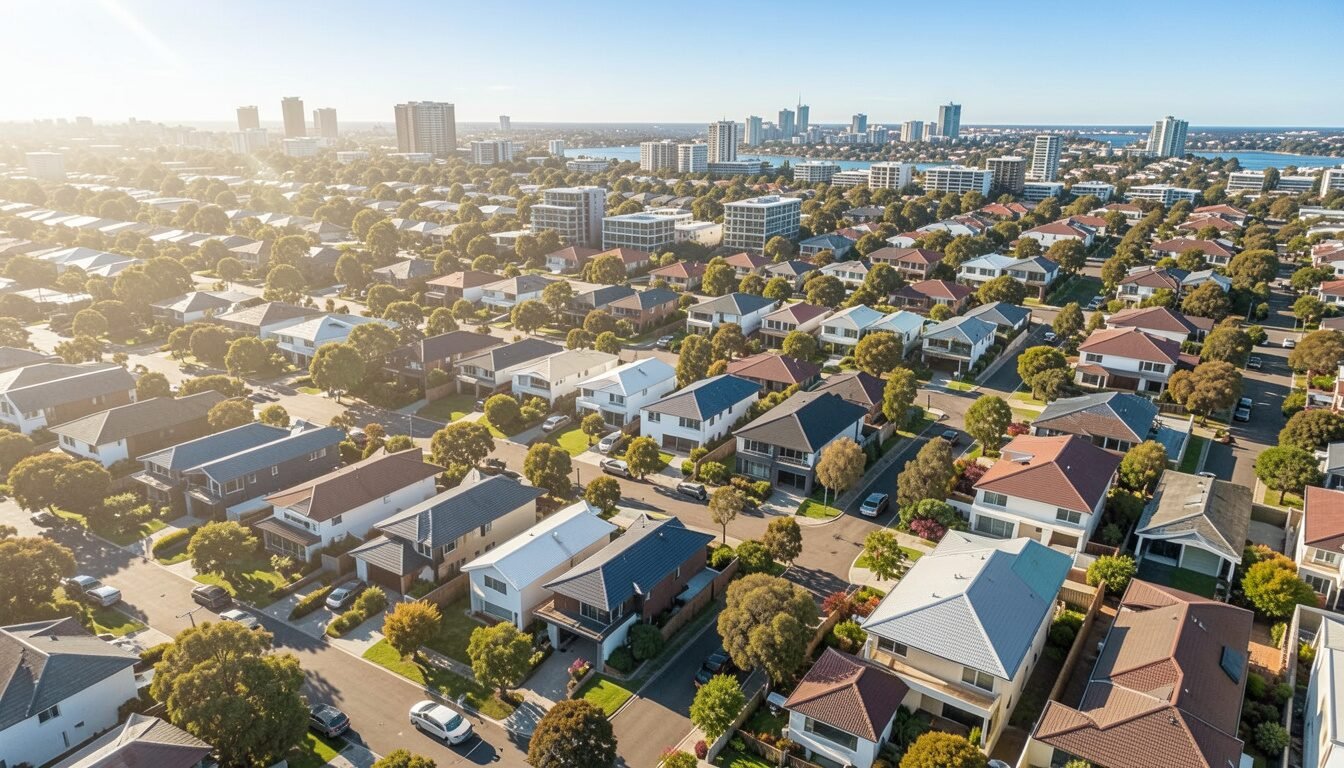
The Sydney real estate market remains one of the most competitive and expensive in Australia. Median house prices across greater Sydney sit well above $1 million, with inner-city and coastal suburbs Sydney commanding significantly higher premiums. First home buyers in Sydney face genuine affordability pressure at every turn.
Buyer demand remains strong in growth corridors NSW — particularly across Western Sydney, where land availability and relatively lower entry prices attract first-time buyers who cannot access established inner suburbs. The NSW housing market continues to see strong demand in family-friendly suburbs with good public transport access, local infrastructure, and proximity to schools.
This market context shapes the building versus buying decision directly. In established inner suburbs, supply is limited and competition is fierce. In outer growth corridors, new home construction is often the more accessible path. Understanding where you want to live — and what that suburb’s conditions look like — is the starting point for this decision.
Government Support for First Home Buyers in NSW
NSW and the federal government offer meaningful financial support to first home buyers, but the incentives differ depending on whether you build new or buy established.
The First Home Owner Grant NSW (FHOG) provides eligible buyers with a $10,000 grant specifically for new home builds. This grant does not apply to established property purchases, which gives new construction an immediate financial advantage for qualifying buyers.
Stamp duty exemption NSW applies to first home buyers purchasing properties under applicable thresholds. The First Home Buyer Assistance Scheme provides full or partial stamp duty concessions depending on the purchase price, reducing one of the largest upfront costs in the buying process.
Construction loans and land loans used for new builds have different structures to standard home loans. Understanding mortgage deposit requirements and how lenders mortgage insurance (LMI) applies to your borrowing situation is essential before you commit to either path. Speak with a mortgage broker and arrange loan pre-approval before you begin actively searching for land or established properties.
Building a New Home in Sydney and NSW
What Building New Means
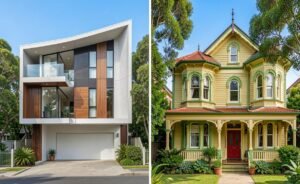
Building new in Sydney typically means one of three approaches: a house and land package where you purchase a block and a pre-designed home simultaneously, a turnkey build where the home is completed to a finished standard before you take ownership, or a custom home where you work with builders to design a home from scratch on land you purchase separately.
House and land packages in Sydney’s growth corridors offer the most affordable entry point for first home buyers wanting a new build. Custom home builders in NSW deliver more design freedom at a higher cost.
The Advantages of Building New
Full customisation is the headline benefit. You choose the layout, finishes, fixtures, and features. You get a home designed for how your family actually lives, not adapted from someone else’s choices.
New homes meet current Australian energy efficiency standards and incorporate modern design thinking. Lower early maintenance costs mean your first years of ownership are not consumed by repair bills. Builder warranties — typically a structural warranty of six years and a defect warranty of two years in NSW — provide protection that established homes simply cannot offer.
Access to government incentives, particularly the FHOG, gives new construction a genuine financial advantage over purchasing established property.
The Disadvantages of Building New
Timeline is the primary trade-off. From land purchase through design approvals, DA or CDC approval, and construction stages, you are typically looking at 12 to 18 months before you move in. Progress payments during construction require careful cash flow management alongside any rent you are paying in the interim.
New home construction in growth corridors NSW often means distance from established community amenities, mature trees, walkability, and the suburb character that makes inner-city and middle-ring areas feel lived-in. You are buying into what the suburb will become, not what it already is.
Budget overruns from site costs, upgrades, and variations are common. Fixed-price construction contracts reduce this risk — but only if you read every inclusion and exclusion carefully before you sign.
The Building Process Step by Step
Finding the right land in your target area is the first step — assess the block for orientation, slope, soil conditions, and proximity to transport and schools. Then select your builder and finalise your design. Approvals follow, either through the Development Application or Complying Development Certificate pathway. Construction then moves through defined stages: slab, frame, lock-up, fitout, and practical completion. Settlement and moving in follow final inspection and certificate of occupancy.
Buying an Established Home in Sydney and NSW
What Established Means
An established home is any existing house, townhouse, or apartment that is ready to occupy after settlement. These properties range from period homes with heritage character through to well-maintained homes from the 1980s and 1990s, and more recently built properties that have already had at least one owner.
The Advantages of Buying Established
Immediate occupancy is the defining benefit. Once settlement completes, you move in. There is no waiting period, no construction timeline, and no managing a build from a distance.
Established properties sit in mature neighbourhoods with existing services — schools, shops, public transport, medical centres, and community amenities are already in place. You know exactly what the suburb feels like before you buy, not years after construction.
Price negotiation potential exists in a way it does not with new builds. In a cooling market, established sellers may accept offers below asking price. Renovation potential in older homes can also create genuine upside if you are willing to improve the property over time.
The Disadvantages of Buying Established
Customisation is limited. You are adapting your life to someone else’s design choices, at least in the short term. Older homes maintenance costs can be significant — roofing, plumbing, electrical systems, and weatherproofing in properties over 20 years old all carry genuine maintenance risk.
Heritage properties in Sydney come with additional council regulations that restrict what changes you can make. Fewer government incentives are available compared to new builds.
The Established Buying Process
Research your target suburbs thoroughly — study Sydney property prices, recent sales, and growth trends. Arrange building and pest inspections before making an offer. Secure your finance and make a formal offer. After acceptance, your conveyancer manages the legal transfer through to settlement and handover.
Side-by-Side Comparison: Building New vs Established
Customisation: New builds offer high design freedom. Established homes offer limited ability to change the existing structure without renovation costs.
Move-in time: Established homes allow immediate occupancy after settlement. New builds require 12 to 18 months from contract to completion.
Maintenance: New homes carry low early maintenance costs and builder warranties. Established homes may carry immediate or near-term maintenance needs.
Government incentives: New builds attract the FHOG and full stamp duty concessions in NSW. Established homes attract fewer specialised incentives.
Location: New builds are often located in outer growth corridors. Established homes offer access to inner suburbs with established infrastructure and suburb character.
Financial Considerations
Budgeting for either path requires looking beyond the headline purchase or construction price. Land cost, construction cost, stamp duty, conveyancing fees, building and pest inspection fees, and LMI where your deposit is under 20 percent all contribute to your total upfront costs.
Ongoing maintenance is a real cost of established property ownership. Strata fees apply to apartments and some townhouses. Construction loan interest during the build phase adds to the total cost of a new build compared to a standard purchase loan.
Your borrowing power — and what lenders will accept as a deposit — may differ between a construction loan and a standard home loan. Comparing both scenarios with a finance broker before you decide is essential.
Lifestyle and Long-Term Considerations
Long-term investment performance depends heavily on location rather than whether the home is new or established. Well-located established properties in Sydney have historically delivered strong capital growth. New properties in high-growth corridors can also perform well if the surrounding infrastructure investment eventuates.
Proximity to work, transport, and schools is often better served by established homes in inner and middle-ring suburbs. Resale value for new homes can be affected by the volume of new supply in growth corridor areas. Consider your family size, your timeline, and your lifestyle priorities as seriously as you consider the financial comparison.
How to Decide What Is Right for You
Ask yourself these questions honestly: How long can you wait to move in? Do you have flexibility on location, or do you need to be in a specific suburb for work or schools? Is design customisation important to you, or are you happy to live with an existing floor plan? What is your total budget including all costs — not just the purchase price?
Building new makes more sense when you want a fully customised home, you qualify for the FHOG, you have flexibility on location and timeline, and you want the protection of builder warranties with no early maintenance costs.
Buying established makes more sense when you need to move quickly, you want a specific suburb or school catchment, you value walkability and community amenities, and you are comfortable managing older home maintenance over time.
In both cases, professional advice from a finance broker, a licensed builder or buyer’s agent, and a conveyancer pays for itself many times over.
Conclusion
There is no universally correct answer between building new and buying established for first home buyers in Sydney. The right choice depends entirely on your financial situation, your lifestyle priorities, your timeline, and the specific market conditions in your target area.
What is certain is that going into this decision without a clear understanding of both paths — the costs, the timelines, the incentives, and the trade-offs — is the one mistake no first home buyer in NSW should make.
At Home Choice Australia, we help first home buyers compare their options honestly and make decisions they feel confident about. Whether you are drawn to a house and land package in Western Sydney or an established home in a suburb you have always loved, start with the right information — and the right team beside you.