Building a home is one of the most significant decisions you will ever make. But today, it is not just about four walls and a roof — it is about how your home interacts with the environment around it. Across New South Wales and the broader Australian housing market, more homeowners and builders are asking the same important question: what makes a home truly green?
An eco-friendly house is one that is designed and built to reduce its impact on the environment. It conserves energy, uses water wisely, produces less waste, and creates a healthier space for the people living inside it. In a climate like NSW — where summers are intense, water is precious, and energy costs continue to rise — building green is not just a trend. It is smart, responsible, and increasingly essential.
At Home Choice Australia, we believe that choosing a home builder in NSW who understands sustainable construction is one of the most valuable decisions a homeowner can make. Whether you are planning new home construction in Sydney, considering a knockdown rebuild in Western Sydney, or building on land in Newcastle or the Central Coast, eco-friendly features should be part of your conversation from day one.
What Does “Eco-Friendly” Mean in Home Design?
Eco-friendly home design means building in a way that reduces environmental harm across the entire lifecycle of the property — from the materials used during construction to the energy consumed decades after you move in.
In Australia, the NatHERS (Nationwide House Energy Rating Scheme) star rating system is the standard benchmark for measuring a home’s energy efficiency. New homes in NSW are required to meet minimum energy efficiency standards under the NCC (National Construction Code) compliance guidelines. The higher the star rating, the less energy your home needs to stay comfortable year-round.
Sustainable design also considers water usage, indoor air quality, waste during construction, and how the building sits on its land. When your custom home builder in Sydney applies these principles from the planning stage, the result is a home that performs better, costs less to run, and holds its value over time.
Key Eco-Friendly Features for a Green Home
3.1 Energy Efficiency
Good insulation is the foundation of an energy-efficient home. High-quality insulation in walls, ceilings, and floors keeps warm air inside during winter and blocks heat from entering during summer. Combined with double-glazed windows that reduce heat loss and heat gain, a well-insulated home dramatically cuts the need for heating and cooling systems to work overtime.
For homeowners building in areas like Parramatta or Wollongong, where temperature swings can be significant, this feature alone can translate into hundreds of dollars saved on energy bills each year.
3.2 Renewable Energy Systems
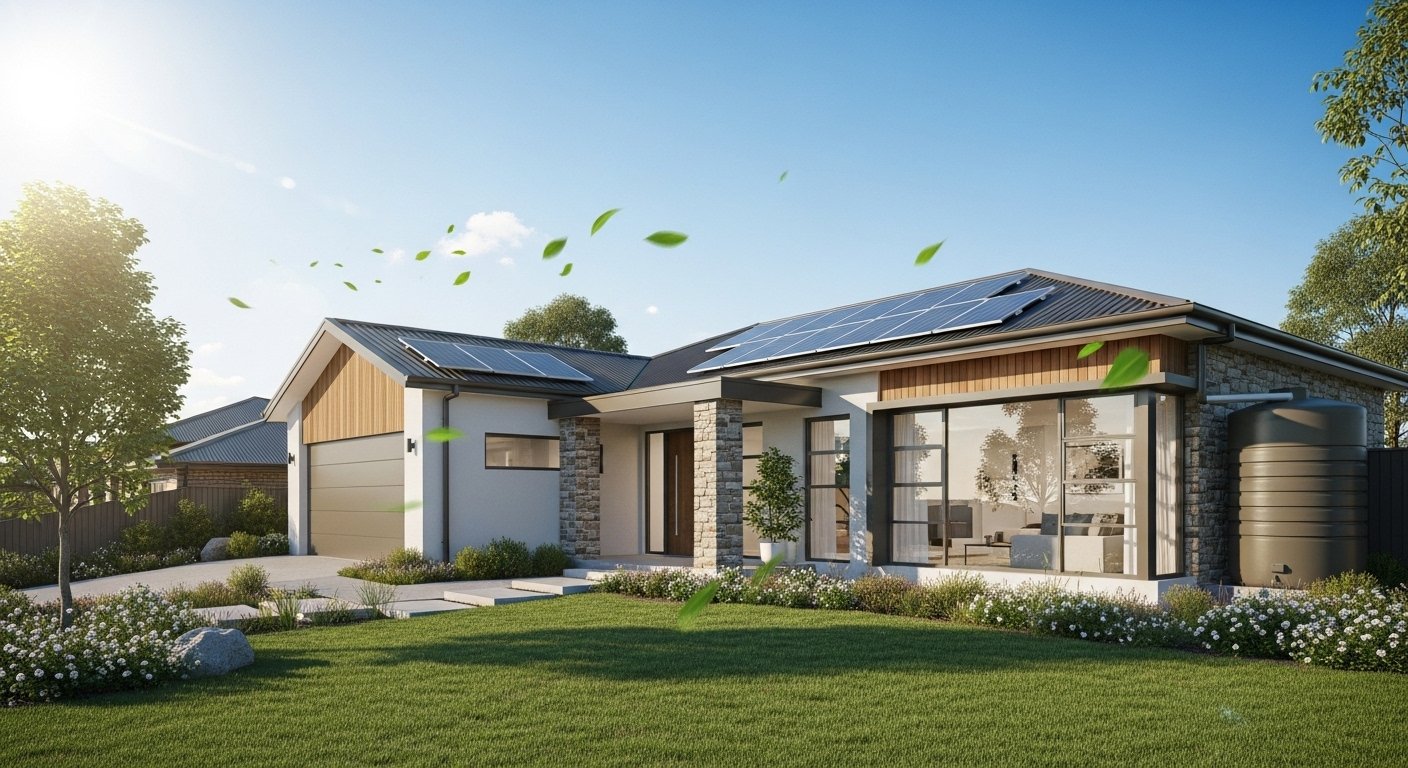
Solar panels are now one of the most recognised features of a green home in Australia. Installing solar panels during new home construction in NSW gives you the ability to generate your own electricity, reduce grid dependence, and potentially earn credits through feed-in tariffs.
Solar water heaters are another practical option that work particularly well in NSW’s sun-rich climate. Rather than using electricity or gas to heat water, these systems use direct solar energy — cutting one of the biggest contributors to household energy use.
3.3 Water Conservation
Australia’s relationship with water is well known, and in NSW, managing water efficiently is not optional — it is a responsibility. Rainwater harvesting systems allow homeowners to collect and store roof runoff for garden irrigation, toilet flushing, and in some setups, general household use.
Pairing a rainwater tank with low-flow taps, showerheads, and dual-flush toilets creates a water-wise home that respects the local environment. Residential builders in New South Wales who specialise in sustainable construction will always factor these systems into the building design early.
3.4 Energy-Efficient Lighting and Appliances
LED lighting uses up to 75% less energy than traditional incandescent bulbs and lasts significantly longer. When combined with motion sensors in low-traffic areas like hallways and bathrooms, the savings add up quickly.
When choosing appliances for your new home build, always look for high energy star ratings. A 5-star refrigerator or washing machine may cost a little more upfront, but the long-term savings on your electricity bill make it a sound investment.
3.5 Sustainable Building Materials
The materials used to build your home have a direct impact on the environment — both during construction and throughout the life of the building. Recycled timber, reclaimed materials, bamboo, and cork are popular choices among eco-conscious builders because they are either renewable, low in embodied energy, or both.
When speaking with any licensed builder in NSW, ask specifically about their approach to sustainable materials. At Home Choice Australia, we work with construction companies and suppliers who share our commitment to responsible sourcing.
3.6 Smart Home Technology
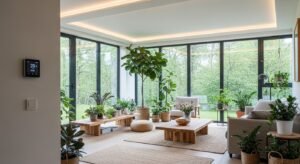
A smart thermostat learns your routine and adjusts heating and cooling automatically, preventing energy waste when no one is home. Home energy management systems give you real-time visibility into how much power you are using and where savings can be made.
These technologies are increasingly standard in new build homes across Sydney and regional NSW, and they integrate smoothly into modern architectural design plans during the build phase.
3.7 Other Green Features
Forward-thinking home builders in NSW are also incorporating EV charging readiness into new homes — installing the wiring and infrastructure now so homeowners are ready when they make the switch to an electric vehicle.
Landscaping with native plants is another simple but effective strategy. Native species require far less water than exotic varieties, support local biodiversity, and reduce ongoing garden maintenance. In growth areas across Western Sydney, this approach is becoming a standard recommendation from experienced project management builders.
Passive Design Principles
Passive design is about using the natural environment to your advantage — and it costs nothing extra when built into the home from the start.
Correct orientation is the most powerful passive design tool available. A home positioned to maximise north-facing windows in the southern hemisphere captures winter sun for natural warmth while allowing eaves and shading devices to block the high summer sun. This reduces reliance on artificial heating and cooling significantly.
Natural ventilation strategies — such as cross-ventilation through thoughtfully placed windows and openings — allow cool breezes to flow through the home during warmer months. Combined with thermal mass materials like concrete or brick that absorb and slowly release heat, passive design can make a dramatic difference to a home’s comfort and energy use without any ongoing cost.
Any reputable custom home builder in Sydney should discuss orientation and passive design with you during the land selection process. It is a critical early decision that cannot easily be changed after construction begins.
Benefits of Eco-Friendly Homes
The case for building green is strong and growing stronger. Lower utility bills are the most immediate and tangible benefit — homeowners consistently report significant reductions in electricity and water costs after moving into a sustainably designed home.
Beyond personal savings, green homes contribute to reduced greenhouse gas emissions, helping NSW and Australia meet broader climate commitments. They also typically achieve a higher property value, as more buyers actively seek energy-efficient, sustainable homes in today’s market.
Perhaps most importantly, eco-friendly homes create a healthier indoor environment. Better ventilation, non-toxic materials, and reduced moisture problems all contribute to improved air quality — something that matters deeply to families with children or anyone with respiratory sensitivities.
Tips for Homeowners in NSW
NSW has a diverse climate, from the humid coastal strip around Newcastle and Wollongong to the hotter, drier conditions further west. The eco-friendly features that work best for your home will depend on your specific location, block orientation, and lifestyle.
The NSW government periodically offers rebates and incentive programs for solar panels, battery storage, and water-saving upgrades. It is worth checking the latest available programs through official government channels before finalising your build budget.
When working through your choosing a builder checklist, make sustainability a non-negotiable conversation point. Ask potential builders about their experience with energy efficiency standards, their knowledge of NCC compliance, and whether they incorporate a soil test report and site inspection into their planning process to ensure the design suits the land.
Conclusion
Building an eco-friendly home in NSW is no longer a niche choice — it is the direction the entire industry is moving, and for very good reason. From solar panels and rainwater harvesting to passive design and smart home technology, every green feature you include makes your home more comfortable, more affordable to run, and more responsible as an investment in the future.
At Home Choice Australia, we are committed to helping you build a home that reflects both your vision and your values. Whether you are starting new home construction in Sydney, planning a house build on the Central Coast, or exploring a knockdown rebuild anywhere in New South Wales — we are here to guide you through every stage of the process with expertise, transparency, and genuine care.
Ready to build smarter? Contact Home Choice Australia today and let us help you bring your green home vision to life.