
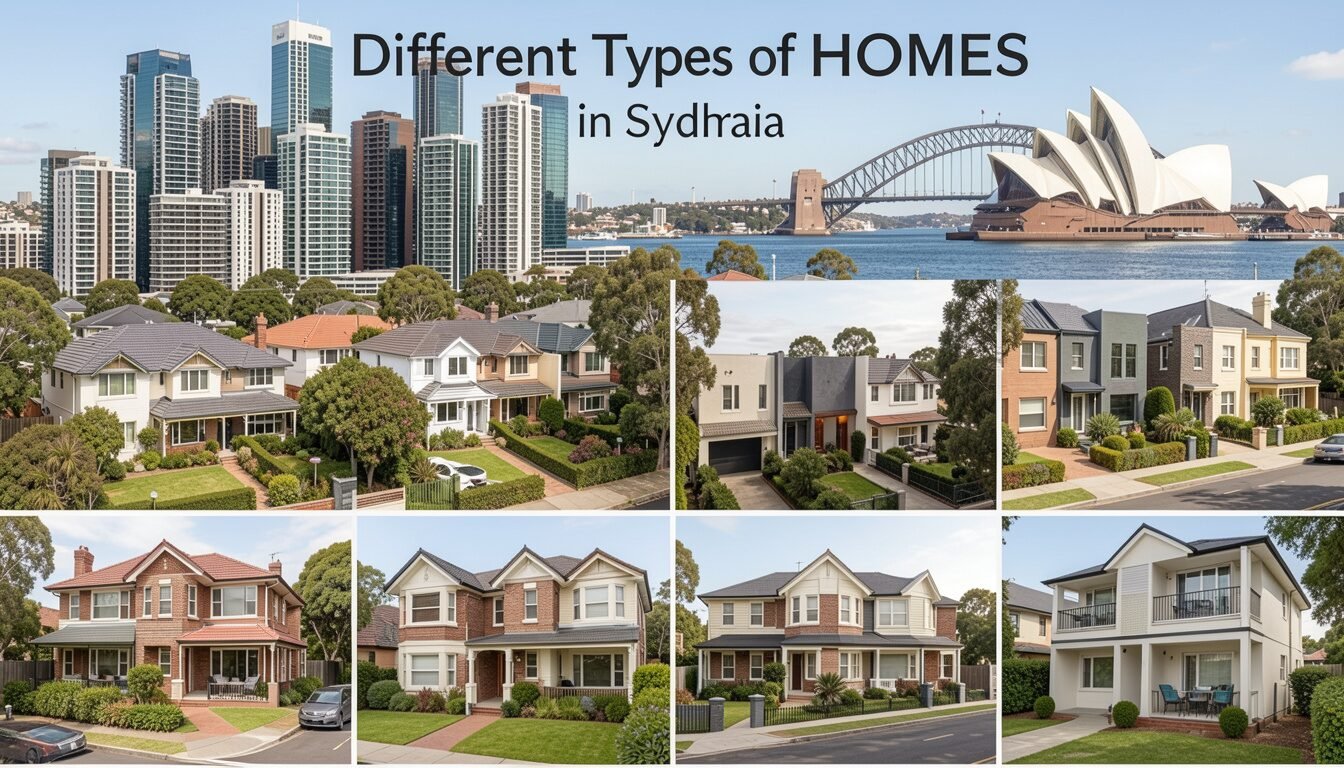
Sydney is one of the most diverse and dynamic cities in the world, and that diversity extends well beyond its people and culture — it reaches right into the streets, suburbs, and architectural fabric of the city itself. From heritage sandstone terraces in the Inner West to modern high-rise apartments overlooking Sydney CBD, the residential property types in Sydney reflect decades of growth, migration, lifestyle change, and urban planning evolution.
Whether you are a first-home buyer trying to navigate your options, an investor researching Sydney real estate property types, or a family weighing up the right suburb and home style, understanding the different types of homes in Sydney is the first and most important step. This guide walks you through every major housing type found across the Greater Sydney region — with real context, local examples, and practical insights to help you make confident decisions.
Overview of Residential Property Types in Sydney
Under NSW planning frameworks, residential dwellings are broadly categorized into detached houses, multi-dwelling housing, terrace houses, flats, and secondary dwellings. These categories shape how Sydney’s suburbs are zoned, developed, and valued.
Sydney’s housing mix reflects the city’s growth story. The outer western suburbs of Greater Sydney tend to feature large-lot detached homes catering to families, while inner-city areas like Surry Hills and Newtown feature dense terrace streetscapes. Closer to the Sydney CBD, vertical apartment living dominates. This variety is what makes Sydney real estate simultaneously exciting and complex for buyers and renters alike.
Detached Houses (Standalone Homes)
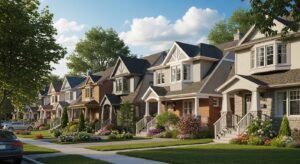
A detached house is a freestanding home sitting on its own individual lot of land, with no shared walls. It is the most traditional form of residential housing in Australia, and it remains highly sought after across Sydney’s suburbs.
In Western Sydney housing corridors — including Parramatta, Penrith, and Campbelltown — detached houses are the dominant dwelling type. The same is true for many family homes in Sydney’s North Shore and the Hills District, where generous block sizes give families room to breathe, add extensions, or build a pool.
The advantages for families are clear: private outdoor space, no shared walls, and full control over the property. For investors, detached houses in established Sydney suburbs tend to hold strong long-term capital value. The trade-off is price — houses in Sydney’s Eastern Suburbs or North Shore regularly command premium prices that place them out of reach for many first home buyers.
Townhouses
Townhouses are multi-storey dwellings, typically sharing one or two walls with neighboring properties and falling under strata or community title arrangements. They represent a middle ground between the size of a detached house and the affordability of an apartment.
In suburbs like Ryde, Lane Cove, and parts of the Inner West, townhouse developments have grown significantly over the past decade. Buyers are drawn to townhouses because they often offer a courtyard or small garden, a garage, and multiple bedrooms — a lifestyle that suits growing families who cannot yet stretch to a full detached home.
Comparing a townhouse vs apartment in Sydney, townhouses generally offer more internal floor space, greater privacy, and a connection to the outdoors that standard apartments do not provide. Strata levies apply, but these are typically lower than in large apartment complexes.
Terrace Houses
Terrace houses are one of Sydney’s most iconic residential property types — rows of two-story homes sharing party walls, built from the mid-1800s through the Federation era. Many of these heritage homes in New South Wales are now protected under local heritage overlays, preserving their architectural character.
Suburbs like Paddington, Glebe, Balmain, and Surry Hills are defined by their terrace streetscapes. A restored terrace in the Eastern Suburbs or Inner West can command exceptional prices due to their heritage appeal, proximity to the CBD, and enduring architectural charm.
Modern terrace-style townhouses have also emerged in new developments, blending the narrow-footprint design with contemporary interiors. For buyers who love character and urban lifestyle, terraced houses in Sydney deliver a genuinely unique living experience — though space can be a consideration, as layouts tend to be narrow and vertical.
Apartments and Units
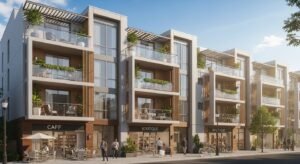
Apartment living in Sydney is not just a compromise — for many residents, it is a lifestyle choice. Sydney’s CBD, North Sydney, Parramatta, and Bondi Beach are home to some of the highest-density residential apartment precincts in Australia.
Apartments span three main categories: low-rise (two to three storeys), mid-rise (four to eight storeys), and high-rise towers above eight storeys. Each category attracts different buyers and renters. Young professionals and students typically favour high-rise apartments near the CBD for convenience. Families and downsizers often prefer low-rise boutique blocks in established suburbs.
From a Sydney property market trends perspective, well-located apartments — particularly those near train stations, the harbour, and coastal areas — have demonstrated consistent demand. Rental properties in Sydney’s apartment market remain attractive for investors given the city’s population growth and housing affordability pressures.
Semi-Detached Homes and Duplexes
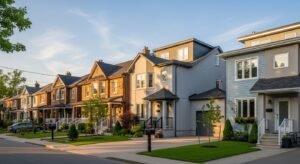
Semi-detached homes share one common wall with a neighbouring dwelling, while duplexes are two dwellings built on a single lot — typically side by side or one above the other. Both represent an efficient use of land in Sydney’s increasingly constrained housing market.
These home types sit naturally between a townhouse and a detached house in terms of size, privacy, and price. They are popular in middle-ring suburbs such as Strathfield, Burwood, and Hurstville, where land values make fully detached homes expensive but where buyers still want more space than a standard apartment offers.
For investors, duplexes offer a compelling strategy — occupy one side and rent the other, or rent both for dual income. NSW planning rules have progressively made dual occupancy developments more accessible, which has boosted interest in duplex construction across many Sydney suburbs.
Granny Flats and Secondary Dwellings
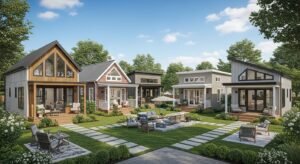
Granny flats — formally known as secondary dwellings under NSW planning rules — are self-contained homes built on the same lot as the primary residence. They can be attached to the main house or built as a separate structure in the backyard.
Sydney has embraced granny flat construction enthusiastically, particularly in suburbs across Western Sydney and the Parramatta region. Extended families use them to house elderly parents or adult children. Homeowners also use them to generate rental income — a particularly attractive option given Sydney’s tight rental market.
Under NSW state planning policy, secondary dwellings up to 60 square metres are permitted on most residential lots without a full development application, making them one of the more accessible housing additions for Sydney homeowners.
Emerging and Specialised Home Styles
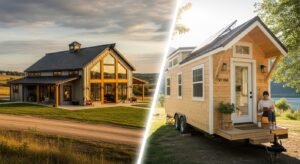
Sydney’s residential landscape is not static. Contemporary home design in Sydney has shifted toward open-plan layouts, indoor-outdoor living, and sustainable materials — responding to both lifestyle preferences and climate considerations.
Minimalist home design in Australia has grown as urban blocks shrink and buyers prioritise quality over quantity. Coastal home design in Sydney — particularly in beachside suburbs like Manly, Cronulla, and the Northern Beaches — blends natural timber, large glass panels, and seamless connections to outdoor living.
Small homes and modular builds are gaining traction too, especially among younger buyers focused on housing affordability in Sydney and sustainability outcomes.
How to Choose the Right Type of Home in Sydney
The right home type depends on your personal circumstances. Families typically prioritise space, school catchments, and access to parks — pointing toward detached homes or townhouses in suburbs like the Hills District or the North Shore. First home buyers in Sydney often find the best entry points in apartments or semi-detached homes in middle-ring suburbs.
Investors should assess rental yield, population growth corridors, and infrastructure investment when selecting between Sydney housing types. Western Sydney, with major developments including the new airport at Badgerys Creek, continues to attract investor attention.
Understanding NSW planning and zoning basics matters too. Zoning determines what you can build, subdivide, or add to a property — so checking the zoning of any property you buy in NSW is essential before committing.
Conclusion
Sydney’s housing diversity is one of its greatest strengths. From heritage terraces in Paddington to brand-new townhouses in Parramatta and waterfront homes in Manly, the city offers a home type for virtually every lifestyle, budget, and life stage.
At Home Choice Australia, we believe that understanding your options is the foundation of every great property decision. Whether you are buying your first home, upgrading for your family, or building an investment portfolio, exploring the full range of Sydney housing types gives you the clarity to move forward with confidence.
FAQs
What is the most common type of home in Sydney?
Detached houses remain the most common dwelling type across Greater Sydney, though apartments dominate in the CBD and inner suburbs.
Are terrace houses heritage protected in Sydney?
Many terrace houses in Sydney’s inner suburbs are heritage listed under local council or state heritage registers, which protects their external character and restricts certain modifications.
Which home type is best for first-time buyers?
Apartments and semi-detached homes typically offer the most accessible entry points into the Sydney property market for first home buyers, depending on location and budget.