
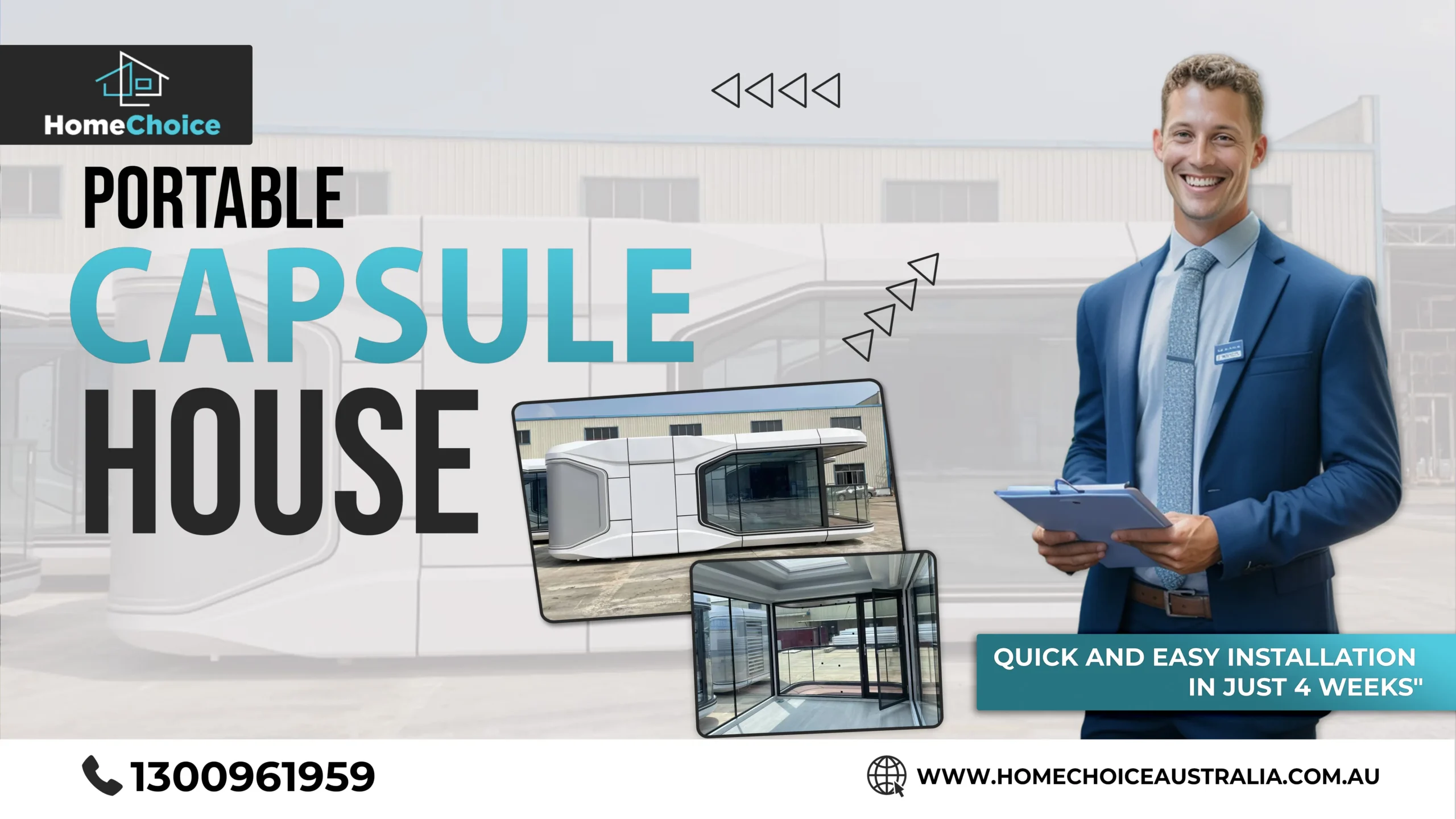
Australia’s housing landscape is evolving, with more people exploring flexible housing solutions that offer affordability without compromising on quality. Among these innovations, demountable homes have emerged as a practical answer to the housing affordability crisis, particularly in New South Wales.
Demountable homes in Australia represent a shift toward portable living—structures that combine the comfort of traditional housing with the flexibility to relocate when circumstances change. Whether you’re searching for demountable homes NSW options for rural property development, considering alternative housing for an ageing parent, or simply seeking an affordable entry into homeownership, understanding these versatile structures is essential.
Portable homes Australia wide are gaining traction not just for their cost-effectiveness, but for their speed of installation and minimal site disruption. In NSW particularly, where housing demand continues to outpace supply in both metropolitan and regional areas, demountable housing New South Wales solutions offer a compelling alternative to conventional construction.
This comprehensive guide will walk you through everything you need to know about demountable homes—from their unique characteristics and benefits to council approval processes and practical considerations before making your purchase.
What Is a Demountable Home?
A demountable home is a relocatable homes Australia solution built entirely off-site in a controlled factory environment, then transported and installed at your chosen location. Unlike traditional homes constructed piece-by-piece on your land, these structures arrive largely complete, ready for quick setup and occupancy.
The defining feature of transportable homes NSW is exactly what the name suggests—they’re designed to be moved. Should you need to relocate, whether due to work, lifestyle changes, or property sales, your home can travel with you with relatively minimal disruption compared to selling a conventional property.
While often grouped with similar housing types, demountable homes have distinct characteristics. Modular demountable homes are sometimes used interchangeably, though technically modular homes often refer to structures intended for permanent installation. Prefabricated homes fall under the broader umbrella of off-site construction but emphasise the portable nature of the building.
The key distinction? A demountable home is always designed with future relocation in mind, whereas modular homes might be built off-site but intended to remain permanently fixed to foundations.
Key Characteristics of Demountable Homes
Constructed Off-Site
One of the primary advantages comes from the off-site construction process. Built in a factory setting, these homes benefit from controlled conditions that eliminate weather delays and ensure consistent quality standards. This manufacturing approach forms the backbone of prefabricated demountable homes efficiency.
Easy to Relocate
Relocatable housing NSW structures are engineered specifically for transport. They feature robust steel framing, reinforced joints, and design elements that withstand the stresses of crane installation and road transport. This relocatability makes them perfect temporary housing solutions Australia wide, though many serve as long-term residences.
Customisable Sizes & Layouts
From compact studios to spacious multi-bedroom family homes, portable living Australia options accommodate diverse needs. Home Choice Australia offers configurations ranging from basic single-room units to complex layouts with multiple bedrooms, open-plan living areas, and modern amenities that rival traditional housing.
Built for Australian Conditions
Quality demountable homes New South Wales providers understand local requirements. These structures feature weather-resistant finishes suitable for Australia’s harsh sun, steel framing that withstands movement, proper insulation for energy efficiency, and often compliance with bushfire-prone land requirements where applicable.
Benefits of Demountable Homes
Affordability
When examining the cost of demountable homes in Australia, you’ll find significant savings compared to conventional builds. Reduced construction timelines mean lower labour costs, while factory production achieves economies of scale that benefit buyers. For those facing the housing affordability crisis, this makes homeownership more accessible.
Speed of Setup
Traditional homes can take 6-12 months to complete. Quick installation homes like demountables often arrive site-ready within weeks once foundations are prepared. This speed proves invaluable for demountable homes for rural NSW properties where building resources are scarce, or for those needing immediate accommodation solutions.
Flexibility of Use
The versatility of portable homes near me NSW searches reflects their multiple applications. Use them as primary residences, weekend retreats, granny flats for extended family, site accommodation for workers, or investment properties. This flexible housing solutions approach maximises your investment.
Lower Impact
Off-site construction typically generates less waste than traditional building methods. The controlled environment allows for precise material usage and recycling, while minimal site disruption preserves your land’s natural state—important for sustainability and energy efficiency conscious buyers.
Common Uses Across Australia
Rural & Regional Living
Demountable homes regional NSW properties benefit enormously from these structures. Remote locations often face challenges with builder availability and material transport. A factory-built home delivered complete solves these issues, making demountable homes Central Coast NSW and beyond far more practical.
Workforce Housing
Industries requiring temporary on-site accommodation—construction, mining, agriculture—rely heavily on demountable structures. They provide comfortable living quarters that can relocate as projects complete, embodying true portable living.
Extra Space on Existing Property
As multi-generational living becomes more common, many families explore options beyond traditional extensions. A demountable home functions perfectly as a self-contained granny flat, guest house, or teenage retreat, adding value without permanent structural changes to your main residence.
Tourism & Holiday Homes
For those seeking demountable homes Sydney NSW area for holiday use or considering portable homes NSW coastal regions for tourism ventures, these structures offer straightforward setup in picturesque locations with relatively simple planning requirements compared to permanent builds.
The Difference: Demountable vs Modular vs Prefab
Understanding demountable homes vs modular homes helps clarify your options:
Demountable homes are specifically designed for relocation. They’re built as complete, portable units that can be lifted, transported, and reinstalled multiple times throughout their lifespan. The construction prioritises structural integrity during movement.
Modular construction involves factory-built sections transported to site and assembled into a permanent structure. While components are prefabricated, the final building typically isn’t designed for future relocation. Once installed, modular homes function identically to conventional builds.
Prefabricated serves as an umbrella term covering both categories—essentially any home where significant construction occurs off-site before transport. The distinction lies in intended permanence and relocatability.
When asking “what are demountable homes in Australia” versus other options, the answer centres on portability and future flexibility.
Legal & Council Approval in NSW
NSW Planning View on Transportable Homes
Understanding are demountable homes council approved in NSW requires navigating local council requirements. While there’s no formal definition of transportable homes in the EP&A Act, these structures typically fall under residential classifications where applicable—often Class 1a buildings under the Building Code of Australia.
Essential Approvals and Compliance Requirements
Planning approval for demountable homes NSW involves several key steps:
- Development Application (DA approval) – Most councils require a DA, especially for residential use
- Zoning laws verification – Ensure your intended use aligns with residential zoning for your property
- Building regulations NSW compliance – Meeting construction standards, BASIX requirements NSW for energy efficiency, and bushfire-prone land compliance where relevant
- Australian building standards adherence – Structural integrity, electrical, plumbing standards
How do demountable homes work in NSW from a regulatory perspective? Local councils assess each application individually, considering factors like:
- Land use and zoning
- Site suitability
- Access for transport and relocation
- Connection to services (water, sewerage, electricity)
- Environmental considerations
- Neighbourhood character
Home Choice Australia recommends consulting with your specific local councils in NSW before purchasing to understand exact requirements for your location.
Practical Considerations Before Buying
Council Regulations & Approvals
Each NSW council maintains unique requirements. What’s acceptable for demountable homes New South Wales in one area might face restrictions elsewhere. Research your specific council’s stance on temporary vs permanent structures early in your planning process.
Site Preparation
Foundation systems for demountable homes vary based on soil conditions and intended permanence. Options include:
- Concrete stumps or piers
- Screw piles for difficult terrain
- Concrete slab (though this reduces relocatability)
- Adjustable steel posts
Site preparation requirements extend beyond foundations to include access roads for transport and relocation, crane installation clearances, and utility connection points.
Cost Breakdown Beyond the Build
Cost of demountable homes in Australia extends beyond the structure’s purchase price:
- Transport and relocation – Distance from factory to site significantly impacts costs
- Foundation and installation – Site-specific requirements vary
- Council approval fees – DA processing and inspection costs
- Utility connections – Plumbing, electrical, sewerage, water supply
- Site preparation – Land clearing, access improvements, levelling
Construction timelines remain considerably shorter than traditional builds, but budgeting for complete setup prevents surprises.
Real-World NSW Examples & Case Uses
Portable homes available in NSW serve remarkably diverse purposes:
A young family in regional NSW purchased a three-bedroom demountable home while saving for a permanent build. The structure now serves as guest accommodation on their completed property—an investment that maintained value beyond its initial purpose.
A Central Coast couple approaching retirement chose a demountable for their coastal block, appreciating the flexibility should health needs require relocation closer to medical facilities in future years.
Agricultural properties across New South Wales increasingly feature demountable workforce housing, providing comfortable accommodation for seasonal workers or farm managers without long-term commitments to fixed structures.
Tourism operators in scenic regional areas have discovered are demountable homes permanent or temporary flexibility allows testing markets before committing to permanent resort infrastructure.
Conclusion
Demountable homes represent a sophisticated solution to Australia’s evolving housing needs, particularly throughout New South Wales. They challenge traditional assumptions about what “home” must look like, offering genuine flexibility without sacrificing comfort, quality, or long-term value.
Whether you’re navigating the housing affordability crisis, seeking affordable housing NSW options, planning for multi-generational living, or simply valuing flexibility in an uncertain world, demountable homes deserve serious consideration.
Home Choice Australia specialises in demountable homes Australia wide, with particular expertise in NSW regulations and requirements. Our structures meet Australian building standards while offering the freedom to relocate should your circumstances change—a rare combination in today’s housing market.
The key advantages—affordability, quick installation, flexibility of use, and reduced environmental impact—position demountable homes as more than temporary solutions. They’re legitimate housing alternatives for Australians seeking control over their living situations without excessive financial burden.
As with any significant investment, thorough research into council approval processes, site requirements, and total costs ensures informed decision-making. Understanding how do demountable homes work in NSW from regulatory, practical, and financial perspectives protects your investment while maximising the unique benefits these structures offer.
FAQs
What’s the difference between demountable and portable homes?
The terms are often used interchangeably. Both describe homes designed for transport and relocation. “Demountable” emphasises the structure can be disassembled and reassembled if needed, while “portable” highlights mobility. In practical Australian usage, they typically refer to the same type of relocatable structure.
Do demountable homes need council approval in NSW?
Yes, most residential applications require Development Application approval from your local council. Requirements vary by location, intended use, and whether the structure is considered temporary or permanent. Always check with your specific council before purchasing.
Can you live in a demountable year-round?
Absolutely. Quality demountable homes built to Australian standards provide comfortable, full-time living. They include proper insulation, heating/cooling systems, and all amenities of conventional homes. Many people live permanently in demountables across Australia.
How much do demountable homes cost in Australia?
Prices vary significantly based on size, finishes, and features. Basic single-bedroom units might start around $40,000-$60,000, while larger three-bedroom homes with quality finishes can range $100,000-$200,000+. Remember to budget for transport, installation, site preparation, and council fees beyond the structure cost itself.